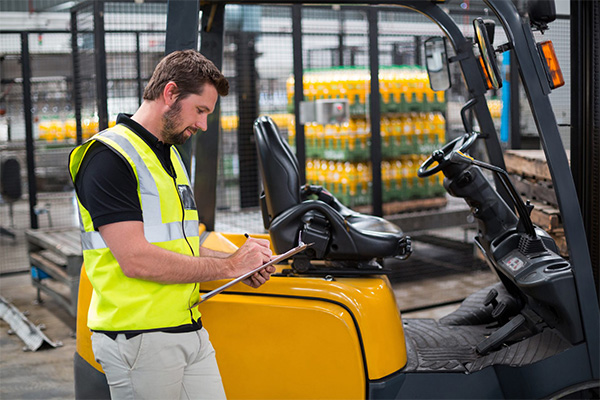
Classic. Operator gets in, runs it up, and away they go. No fluid check, no brake check, no quick glance at the forks. Why? Well, it ran fine yesterday, right? Well, hydraulic fluid leaks don't leak according to a clock. That fork seal doesn't care if you're in a hurry. That fork seal doesn't care if it's Monday morning. That fork seal doesn't care if it's 6:00 AM. That fork seal doesn't care if it's 6:00 PM. That fork seal doesn't care if it's... Well, you get the idea. That fork seal doesn't care. That fork seal has one concern: "I'm cracked
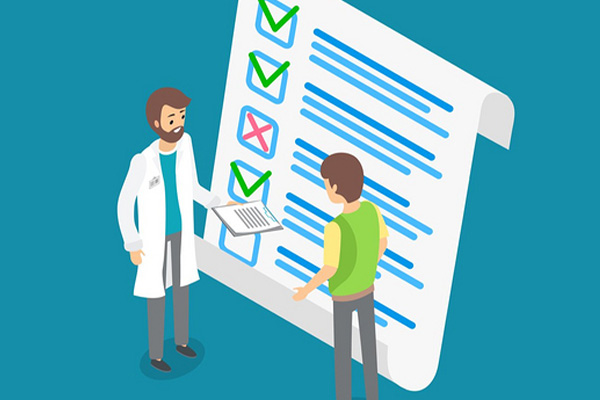
Make the pre-shift check idiot-proof. Laminate a simple checklist and hang it on each truck. Better yet, go digital—a quick form on a tablet that takes two minutes to tap through, and the truck won't start until it's done. And here's the trick: don't treat it like paperwork. When an operator flags an issue, don't roll your eyes. Thank them. If you make check-ins feel like a chore, people will rush through them. If you make them feel like part of the job, they'll actually do them right.
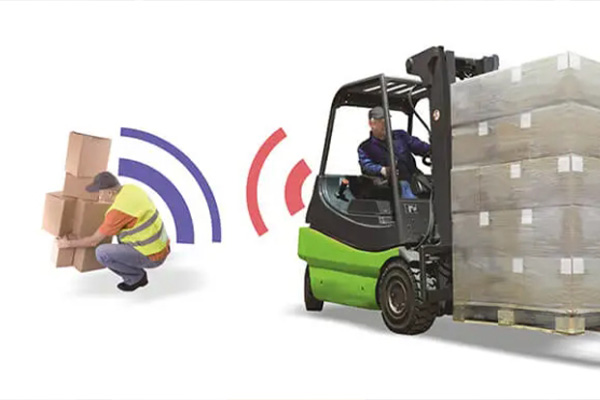
You see it all the time. A guy is backing up a pallet of merchandise that is so high he is literally looking around the corner to see where he is going. Or he is backing out of a tight spot with nothing to guide him, just hoping that nothing is behind him. That's not brave, that's just plain stupid. If you can't see, you can't drive. Period.
This one's simple but takes discipline. Rule number one: if the load blocks your forward view, you drive in reverse. Doesn't matter if it feels slower. It's safer. Rule number two: blind spots get spotters. No exceptions. If there's a corner where you can't see around, someone in a high-vis vest helps the driver through. And if you're the pedestrian, stay the hell out of the forklift's way. Eye contact before you move. Always.
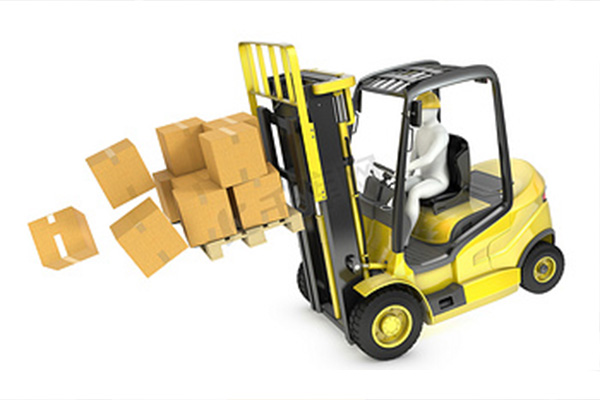
Every forklift has a data plate for a reason. That little metal tag tells you exactly how much it can handle. But somehow, guys look at it and think, "Eh, it can take a little more." Or they pick up something that's totally lopsided, and the whole rig starts wobbling. You're not being productive—you're asking for a tip-over. And a tip-over with a 5,000-pound machine? That's not a spill, that's a disaster.
Training needs to go beyond "don't overload." Show them what happens. Get a pallet, load it unevenly, and let them feel how unstable it gets. Talk about center of gravity like it matters—because it does. And make it known: if a load feels sketchy, you stop and figure it out. No penalties for being safe. When people understand the why behind the rule, they follow it. When it's just a number on a plate, they ignore it.
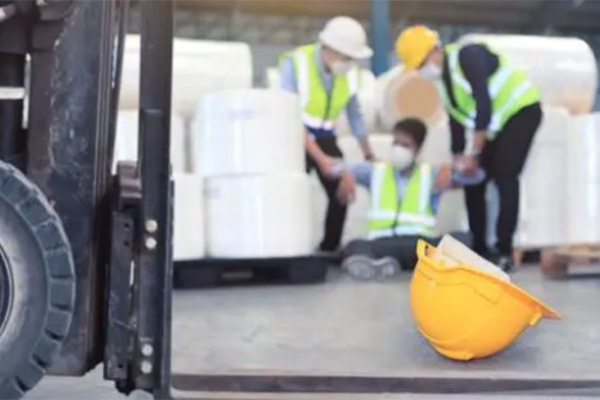
Warehouses aren't racetracks, but you wouldn't know it watching some guys hustle. They fly down aisles, take corners on two wheels, and slam on brakes at the last second. Why? Because they're trying to hit a quota, or they just don't think slow matters. Here's the thing: a forklift at speed is a missile with forks. One pedestrian steps out at the wrong time, and you've got a body bag on your hands.
Speed limits mean nothing if they're not enforced. Post them everywhere—paint them on the floor if you have to. Put up mirrors at blind corners so drivers can see what's coming. And here's a trick that works: install rumble strips in high-traffic areas. Those little bumps in the concrete force drivers to slow down. They're annoying on purpose. And if someone's consistently speeding? Pull them off the floor and have a real conversation. Not a lecture—a conversation. Find out why they're rushing. Fix the root cause, not just the symptom.
The idea here is that forklift safety is not rocket science; it is all about respect. Respect for the machine, respect for the load, and respect for the people. It is all about understanding the small problems before they become big problems. It is all about creating a culture in which it is okay to speak up, okay to slow down, and okay to get everyone home safely. A safe floor and a productive floor are not mutually exclusive; they are the same.






