
Here’s the thing about heavy equipment listings: most people treat them like a menu. They look at the picture, check the hours, glance at the price, and move on. But if you slow down just a little, those listings start talking to you. Not literally, of course. But the good ones—and even the bad ones—are full of signals.
The way a seller lists a machine tells you how badly they want to sell it. It tells you whether they actually know what they're talking about. It even hints at whether the equipment was cared for or just run into the ground. You just have to know where to look.

Specs are easy to copy-paste. Anybody can throw in a horsepower number or an operating weight. But when you see a listing that goes a little deeper—when they break down what those numbers actually mean for the kind of work you do—that's a clue. That's someone who's been around equipment long enough to know what matters.
If the specs feel thin or just tossed in there to fill space, that's also telling you something. It might mean the seller doesn't really understand the machine. And if they don't understand it, chances are they didn't take great care of it either.

But pricing is where things get interesting. You would think it's simple, but no. A machine that's priced below market value could seem like a blessing, but it could also be a ploy. Perhaps it's been there for months. Perhaps there's a reason why nobody's interested.
What you want to watch is how the price fits into the bigger picture. Compare it to similar machines. Look at how long it's been listed. Has the price changed since it went up? Drops can mean they're motivated. A steady price usually means they know what they've got and aren't desperate. Either way, you're learning something before you even pick up the phone.

I think words, in general, are not used enough. If the individual is taking the time to talk about how the machine works, what was recently repaired, or how often the machine is serviced, it is not empty words. It is confidence. The individual is not trying to hide anything. They are saying, "This is a good machine, and I can prove it."
Vague descriptions are the opposite. If it's all "great condition" and "runs strong" with no backup, your brain should flick a switch. That's seller-speak for "I don't want to get into it." And if they won't get into it now, they definitely won't later.
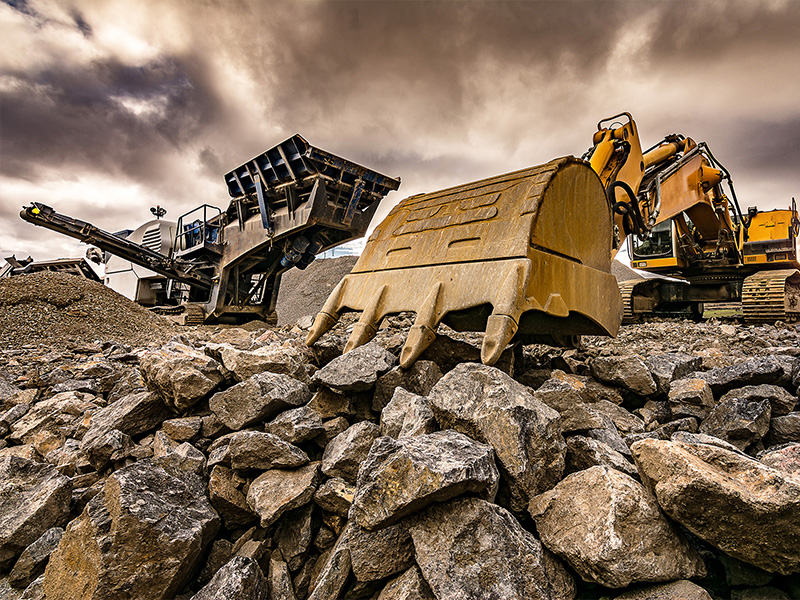
Something that's just not talked about enough is that the organization of a listing says a lot about a seller. If a listing has well-organized photos, easily accessible specifications, and a description that actually answers questions you have without you even needing to ask, that's a seller you want to deal with. These are the sellers who run a tight ship. These are the sellers who show up on time and respond to emails. These are the sellers who don't play games.
Messy listings? They usually come with messy transactions. If someone can't be bothered to clean up their ad, they probably didn't keep great records on the machine either.

How long has that listing been live? A week? A month? That's a clue. Fresh listings often mean fresh motivation. Older listings can mean the price is too high or the machine just isn't what people want.
But if a listing has been updated recently—new photos, a revised description, a price tweak—that's worth paying attention to. It means someone's still working it. Still trying. Still willing to make a deal.
Here's a mistake a lot of people make: they find one machine they like and stop looking. That's how you overpay. That's how you miss the red flags.
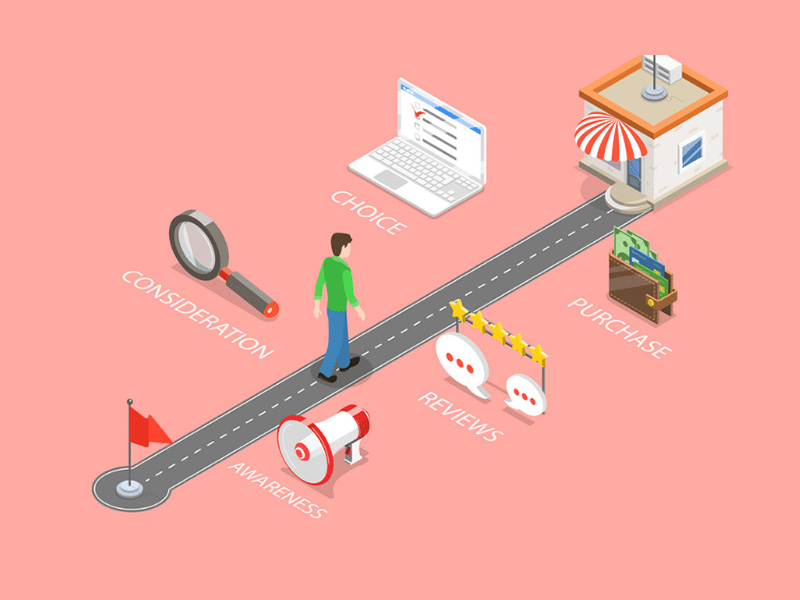
When you start reading listings like this, everything changes. You stop guessing. You stop hoping you're making the right call. You just know. And that kind of confidence shows up when you talk to sellers. You ask better questions. You move faster. And when you finally hand over the check, you're not crossing your fingers—you're sure.
Listings aren't just ads. They're tools. You just have to know how to use them.






