Look, we can sit here and list out a bunch of textbook rules, but let's be real for a second. Operating an excavator isn't just about pulling levers and digging holes. It's about making sure you go home with the same number of fingers and toes you showed up with. These machines are massive, powerful, and honestly? They don't care if you're having a bad day. One slip-up, one moment of "ah, it'll be fine," and suddenly you're the subject of a safety briefing that nobody wants to sit through.
I've been around enough job sites to know that the difference between a close call and a catastrophe usually comes down to a handful of habits. Some guys have been running excavators for twenty years and still do sketchy stuff because "that's how we've always done it." Others are fresh out of training and so nervous they forget the basics. Wherever you fall on that spectrum, this article is going to cut through the corporate safety-speak and give you the straight goods on keeping yourself and everyone else alive while you're running that machine.
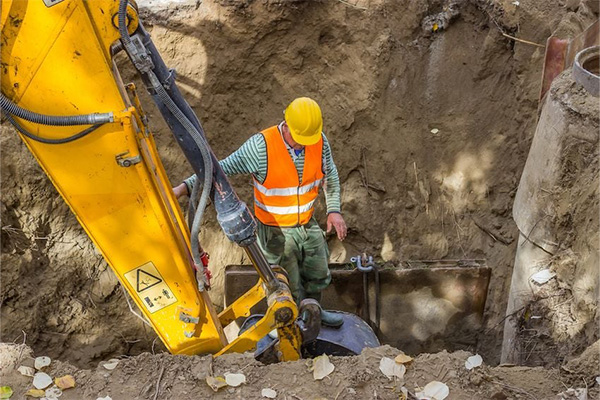
Here's something that'll stick with you: around 75% of those "struck by" and "run over" deaths in construction involve heavy equipment . That's not a statistic you want to be part of. And the really scary part? Most of these accidents weren't caused by some crazy equipment failure or Act of God situation. They happened because somebody got comfortable. Somebody forgot that the machine doesn't have feelings and won't stop just because a person is standing there.
Just recently, there was a fatal accident where a slinger got crushed between the quick hitch and a fixed structure. The operator was just leaning out of the cab to talk to the guy, accidentally bumped the joystick, and the machine swung. The safety lever? Yeah, it hadn't been engaged . That's the kind of thing that keeps safety officers up at night—not because it's complicated, but because it's so stupidly simple to prevent.
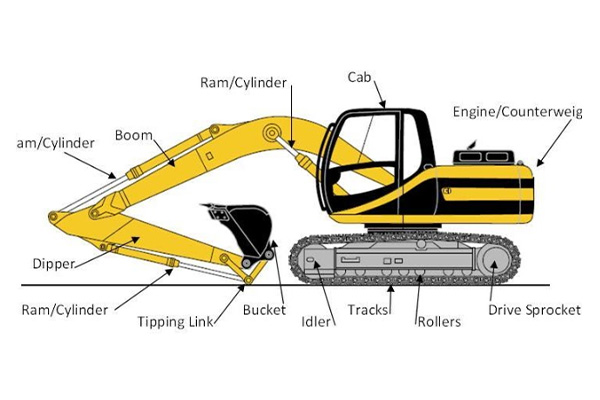
When you hop into a new machine, don't just assume it's laid out the same as the last one you ran. Take five minutes. Push the levers without the engine running if you have to. Figure out which way the boom goes, how sensitive the swing is, where the emergency shutoff lives. Every model is a little different, and guessing wrong when you're in a tight spot can get ugly fast.
I know, I know. You're running late, the foreman is yelling, and you just want to get going. But walk the machine first. Look for leaks. Check the tracks or tires. Make sure nothing's hanging loose . It takes ten minutes max, and it beats the alternative—which is finding out there's a problem when you're three feet from a gas line or halfway through a lift.
Keep your windows clean. Adjust your seat so you can actually reach everything without stretching. Know where your blind spots are—every machine has them. And for the love of everything, keep the floor clear of coffee cups, water bottles, and whatever else you've got rolling around down there. Nothing good happens when your foot slips because you're stepping on a Gatorade bottle.
Let the machine warm up. The gauges are there for a reason—watch them. If something's in the red, don't just assume it'll sort itself out. It won't. And while we're at it, that seatbelt? Buckle it. I don't care if you're just moving the machine twenty feet. The ground doesn't care that you were "only going a short distance" when it gives way and the machine tips.
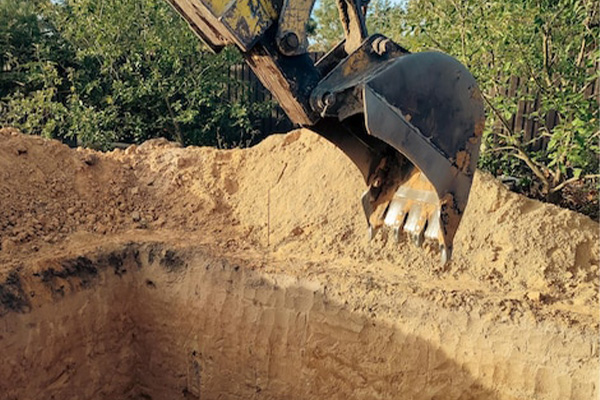
Keep that machine on stable, level ground as much as humanly possible. When you're digging, don't undercut yourself—meaning don't dig out the ground underneath your own tracks . That's how cave-ins happen, and that's how machines end up on their side. Lower the bucket gradual like, feel what the machine is telling you, and don't force it.
Here's a tip that'll save your back and your machine: when you're loading trucks, position the truck on your left side with the cabs facing each other. Have them stop so the headboard of the truck bed lines up with the back of your cab. This gives you clear visibility and keeps your boom out of the way. Plus, it makes for about a 25-foot swing into the truck, which is just efficient .
If you're lifting materials, keep the load low. Don't swing it way out there like you're showing off. Smooth movements. If you're jerking the controls around, that load is going to start swinging, and swinging loads make machines unstable. Also, don't exceed the rated capacity. That number isn't a suggestion—it's the point at which physics stops cooperating.
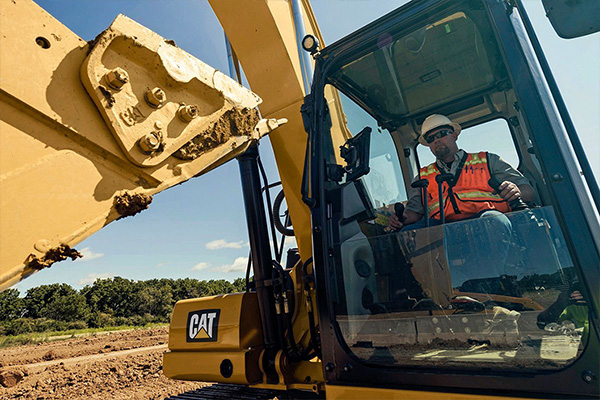
Here's the deal: just because somebody handed you a certificate doesn't mean you know what you're doing. Real training is ongoing. It's paying attention when new equipment shows up. It's asking questions when something doesn't feel right. And if you're the one hiring operators, for heaven's sake make sure they're actually qualified . The guy who "ran one a few times back in '98" is not your guy.
Hard hat? Non-negotiable. High-vis vest? Wear it. Steel-toed boots? You'd be an idiot not to. But here's what people forget—hearing protection. You spend all day in that cab with the engine and hydraulics, and your hearing takes a beating. Gloves too, especially when you're doing inspections or dealing with attachments .
Use the handrails. Use the steps. Three points of contact—two hands and a foot, or two feet and a hand. Never, ever jump off the machine . That's how you roll an ankle or worse. I've seen guys try to hop down like they're stepping off a curb, and it never ends well. Take the extra five seconds.
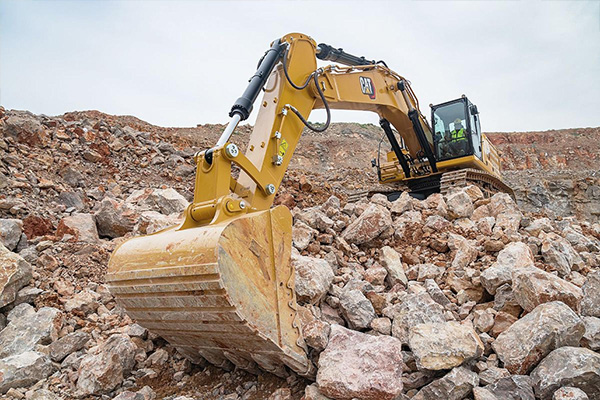
Check the ground conditions before you get into position. Soft soil? Loose gravel? Hidden stumps or debris? All of that can make your machine slide when you least expect it . And if you're working on a slope, point your tracks up and down the hill—never parallel to it . That parallel position is how you roll.
You need a designated area around that machine where people just don't go. We're talking the swing radius, the travel path, anywhere a load could fall . OSHA has cited companies for not barricading these areas—like that pool company in Texas where a truck driver got hit because nobody marked off the swing radius . Don't be that company. Barriers, cones, tape—use something.
And here's a hard rule: if there are people in that operating arc, hit the safety control lever and isolate the machine before anybody does anything else . That two seconds could save a life.
Call before you dig. Every time. Those utility markers aren't optional decorations—they're there so you don't turn a gas line into a crater . And look up. Power lines will kill you dead if you hit them. Keep your distance—at least ten feet, more if you can manage it.

In a perfect world, everybody on site knows what everybody else is doing. In reality, it's loud, it's chaotic, and hand signals get missed. Use radios if you've got them. Establish clear signals before you start. And if you're working with a spotter, make damn sure you can actually see them and they can see you . If at any point you lose sight of your spotter or the ground guy, stop. Just stop. Don't keep going and hope for the best.
What's the plan if somebody gets hurt? If the machine fails? If you hit something you shouldn't have? These aren't fun conversations, but they're necessary. First aid kits should be accessible, and people should know where they are . Sounds basic, but you'd be surprised how many sites scramble when something actually happens.
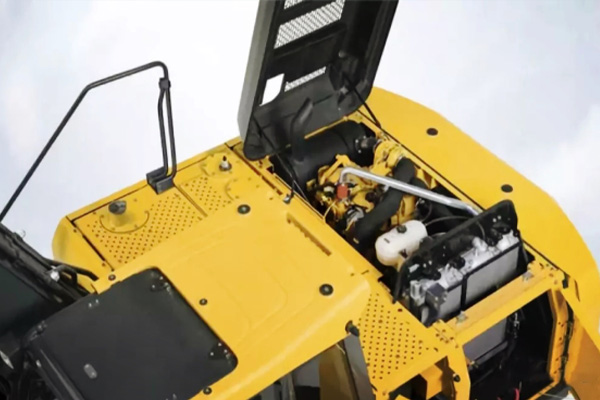
Fluid levels. Filters. Hoses. Tracks. Lights. Alarms. Test the horn, test the backup alarm, test the seatbelt sensor if you've got one . If something's not working right, flag it. Don't just assume maintenance will catch it later. Later might be too late.
When you're done for the day, park on level ground. Lower the bucket all the way down. Let the engine idle for a few minutes to cool that turbocharger if you've been working it hard . Lock the cab before you walk away . And if it's winter, park on some planks so your tracks don't freeze to the ground .

The machine doesn't care about your deadlines. It doesn't care that the boss is pushing you to hurry up. It just does what you tell it to do. So tell it to do safe stuff. Pay attention. Look out for the guys on the ground. And go home the same way you showed up.
A: Daily visual checks are non-negotiable. But beyond that, schedule a proper inspection every three months and an annual comprehensive check . Keep a logbook—write down what you find so patterns can be spotted before they become problems .
A: Keep your tracks pointing straight up and down the slope—never sideways. Maintain a stable center of gravity and don't swing loads to the downhill side if you can help it. If the ground feels sketchy, get off and reassess .
A: Legally, it depends on where you are, but practically? No. Certification proves you understand the machine and the risks. Untrained operators are a danger to themselves and everyone around them . Get trained, get certified, and keep learning.
A: Stop immediately. Shut the machine down. Evacuate the area if it's a gas line. Call emergency services if needed, then notify the utility company and your supervisor. Do not try to "fix it" yourself or keep working like nothing happened .
A: Establish eye contact before anyone approaches. Use spotters. Have clear hand signals or radio communication. And for specific tasks where someone has to be close, isolate the machine with the safety control lever while they're in the danger zone .






